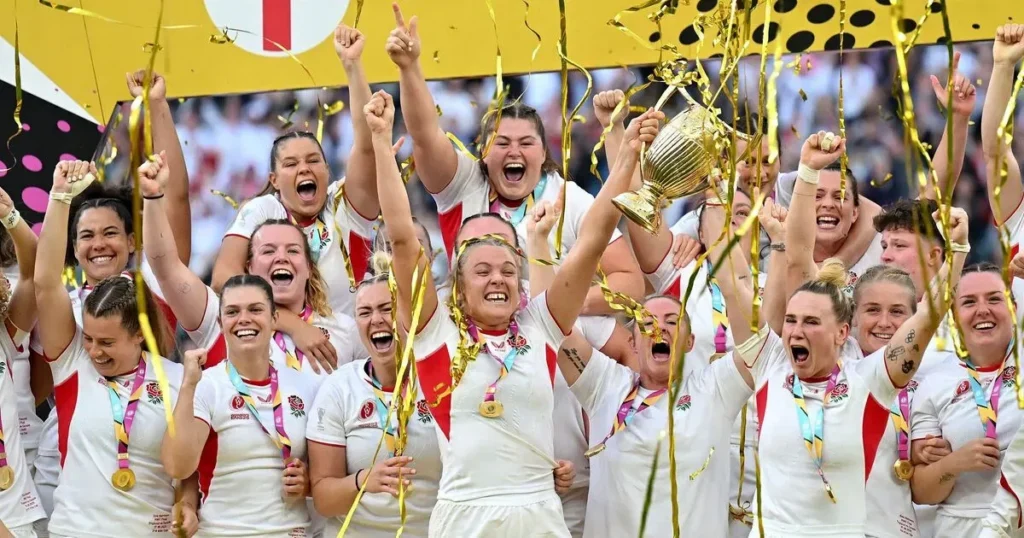
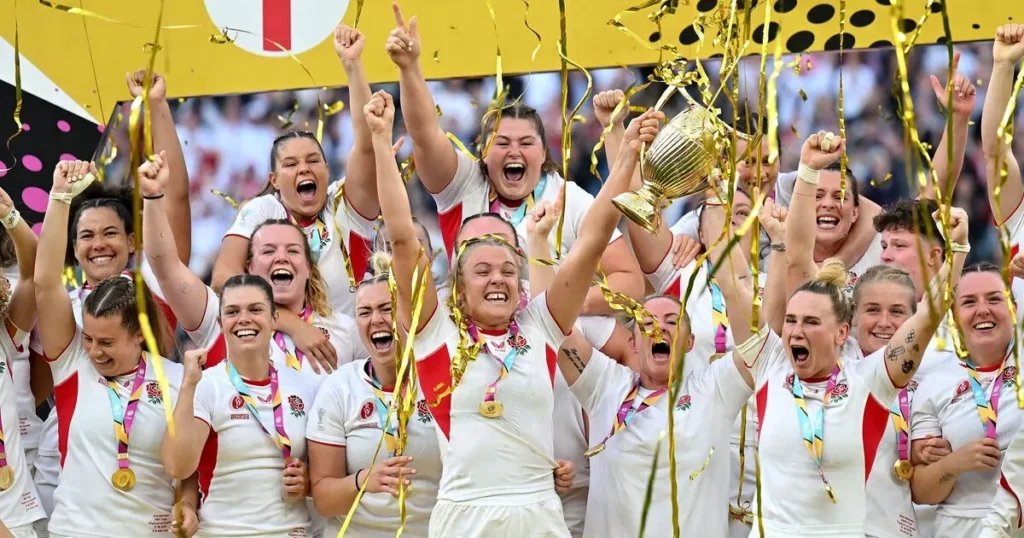

Women’s Rugby World Cup 2029: What the Next Tournament Really Represents for the Global Game
The Women’s Rugby World Cup 2029 is already being discussed years in advance, and that alone tells you something important. This tournament is no longer viewed as a future event on a calendar — it’s being treated as a turning point. For players, unions, broadcasters, and fans, 2029 represents a moment where women’s rugby is expected to stand on its own competitive, commercial, and cultural foundations.
From an Australian perspective, the 2029 Women’s Rugby World Cup isn’t just about who lifts the trophy. It’s about what the tournament says about depth, sustainability, and how far the women’s game has progressed since professionalism began to take hold. This article looks beyond surface-level hype to unpack what Women’s Rugby World Cup 2029 is likely to look like, how it will be played, what tactical and structural trends will shape it, and why expectations around this edition are fundamentally different.
Why Women’s Rugby World Cup 2029 Matters More Than Any Before It
Every World Cup claims to be the biggest yet, but Women’s Rugby World Cup 2029 carries a different kind of weight. By this point, most leading nations will have had multiple full professional cycles. Players entering the tournament will have grown up with clearer pathways, better conditioning, and far more international exposure than previous generations.
That changes the nature of competition. Earlier tournaments were shaped by uneven development. In 2029, performance gaps are expected to narrow further, meaning outcomes will depend less on raw physical mismatches and more on preparation, coaching, and decision-making under pressure.
Why 2029 is seen as a benchmark year
- A full decade of accelerated professionalism
- More test matches between World Cups
- Improved high-performance environments
- Greater tactical literacy across all tiers
As a result, Women’s Rugby World Cup 2029 is widely viewed as the tournament where excuses disappear and standards fully arrive.
The Likely Competitive Landscape in 2029
Looking ahead to Women’s Rugby World Cup 2029, the competitive field is expected to be deeper than ever. Traditional powers will remain strong, but their margins for error will be thinner. Emerging nations are no longer satisfied with “competitive losses” — they are targeting knockout qualification as a baseline.
This shift changes how tournaments unfold. Pool matches become more intense. Rotation becomes riskier. Every fixture carries greater consequence.
What defines the 2029 competitive environment
- Fewer one-sided pool matches
- Greater physical parity across squads
- Higher defensive standards
- More matches decided in the final quarter
For fans, this means Women’s Rugby World Cup 2029 is likely to be less predictable and more demanding to interpret.
How the Women’s Game Is Expected to Play by 2029
The style of rugby at Women’s Rugby World Cup 2029 will look familiar, but sharper. Faster decision-making. Cleaner execution. Less chaos. As players spend more time in professional environments, habits improve — particularly around spacing, ruck efficiency, and defensive alignment.
While physicality will continue to increase, the biggest leap is expected in game intelligence. Teams will manage tempo more deliberately, knowing exactly when to accelerate and when to suffocate momentum.
Key style trends likely in 2029
- Territory-driven game plans
- Lower error rates under pressure
- More effective kick-chase systems
- Greater patience inside opposition halves
The result is rugby that feels tighter, smarter, and far more unforgiving of mistakes.
The Tactical Arms Race Heading into Women’s Rugby World Cup 2029
By 2029, tactical gaps between teams will matter more than physical gaps. Coaching quality, analysis capability, and adaptability will heavily influence outcomes. Teams that rely on emotion or athleticism alone will struggle to keep pace.
Expect to see greater emphasis on detail: exit accuracy, breakdown timing, and defensive communication. These are areas where professional time pays dividends.
Tactical areas likely to decide matches
- Set-piece reliability under fatigue
- Defensive line speed without over-commitment
- Kick selection and chase cohesion
- Discipline inside the defensive 22
In Women’s Rugby World Cup 2029, tactical discipline will be non-negotiable.
The Role of Depth and Conditioning in 2029
One of the clearest evolutions expected by Women’s Rugby World Cup 2029 is bench influence. As conditioning improves, coaches will demand more from replacements — not just energy, but clarity.
Depth will separate contenders from pretenders. Teams that can maintain defensive shape and decision quality through all substitutions will gain a significant edge.
Why depth matters more than ever
- Tournaments remain physically dense
- Injuries are inevitable over multiple matches
- Late-game execution decides outcomes
- Fatigue exposes technical weaknesses
By 2029, a strong starting XV will no longer be enough.
The Australian Outlook on Women’s Rugby World Cup 2029
For Australia, Women’s Rugby World Cup 2029 represents opportunity and accountability. The Wallaroos’ trajectory has been one of steady growth, with improvements in physicality, contact efficiency, and resilience already evident.
By 2029, expectations will shift. Competitive performances will no longer be celebrated on their own — results will matter. Depth, consistency, and late-game control will be the benchmarks by which progress is judged.
What Australian fans should watch leading into 2029
- Increased test match volume
- Development of domestic depth
- Improved execution under pressure
- Leadership growth within the squad
Women’s Rugby World Cup 2029 will show whether Australia’s development curve has reached its next stage.
Why Pool Matches Will Be Less Forgiving in 2029
As the women’s game matures, pool stages become more dangerous. In earlier tournaments, favourites could recover from slow starts. By Women’s Rugby World Cup 2029, that margin is expected to shrink.
Emerging teams are increasingly capable of capitalising on mistakes. One off day, one lapse in discipline, or one poorly managed rotation could derail a campaign.
Why early matches matter more
- Higher baseline competitiveness
- Less margin for tactical experimentation
- Greater physical toll of recovery
- Psychological pressure of expectation
This will force coaches to treat every fixture with near-knockout intensity.
How Pressure Will Shape the Knockout Stages
Knockout rugby in Women’s Rugby World Cup 2029 is expected to be brutally efficient. With tactical parity improving, matches will hinge on discipline, territory, and emotional control.
Risk-taking will drop. Execution will slow. Finals and semi-finals will reward teams comfortable playing ugly, controlled rugby for long stretches.
Knockout-stage realities
- Lower scoring margins
- Higher penalty conversion rates
- Set pieces under extreme pressure
- Bench decision-making under scrutiny
By this stage, Women’s Rugby World Cup 2029 will look and feel like elite international rugby in every sense.
The Numbers Likely to Matter Most in 2029
As analysis becomes more sophisticated, certain metrics will carry greater weight. Tries and possession will still matter, but deeper indicators will tell the real story.
| Metric | Why It Matters in 2029 |
|---|---|
| Penalty count | Directly drives territory and scoreboard pressure |
| Tackle completion | Reflects defensive consistency under fatigue |
| Set-piece success | Controls rhythm and momentum |
Teams that manage these areas effectively will consistently outperform expectations.
Why Women’s Rugby World Cup 2029 Will Be Judged Differently
Unlike earlier tournaments, Women’s Rugby World Cup 2029 will not be judged primarily on growth narratives. It will be judged on quality. Execution. Consistency. Depth.
This is a sign of success, not pressure. It means the women’s game has reached a point where performance, not promise, is the standard.
FAQ: Women’s Rugby World Cup 2029
Why is Women’s Rugby World Cup 2029 so significant?
Because it reflects a decade of professional development and rising competitive standards.
Will matches be more competitive?
Yes. Parity is expected to improve, reducing blowouts and increasing late-game tension.
What will decide matches in 2029?
Discipline, depth, and tactical execution under pressure.
Final Perspective: 2029 as a Line in the Sand
Women’s Rugby World Cup 2029 is not just another edition — it’s a statement. A statement that the women’s game has moved beyond development and into expectation. That results matter. That standards are fixed, not flexible.
For Australian fans, this tournament will offer clarity. It will show exactly where the Wallaroos sit in a truly global, professional landscape — and what the next leap forward requires.
By 2029, the women’s game won’t be asking for belief. It will be demanding respect.

Your Guide to the Women’s Rugby World Cup in AU

Women’s Rugby World Cup: Why Winning the Tournament Is Now About What Happens Between the Whistles
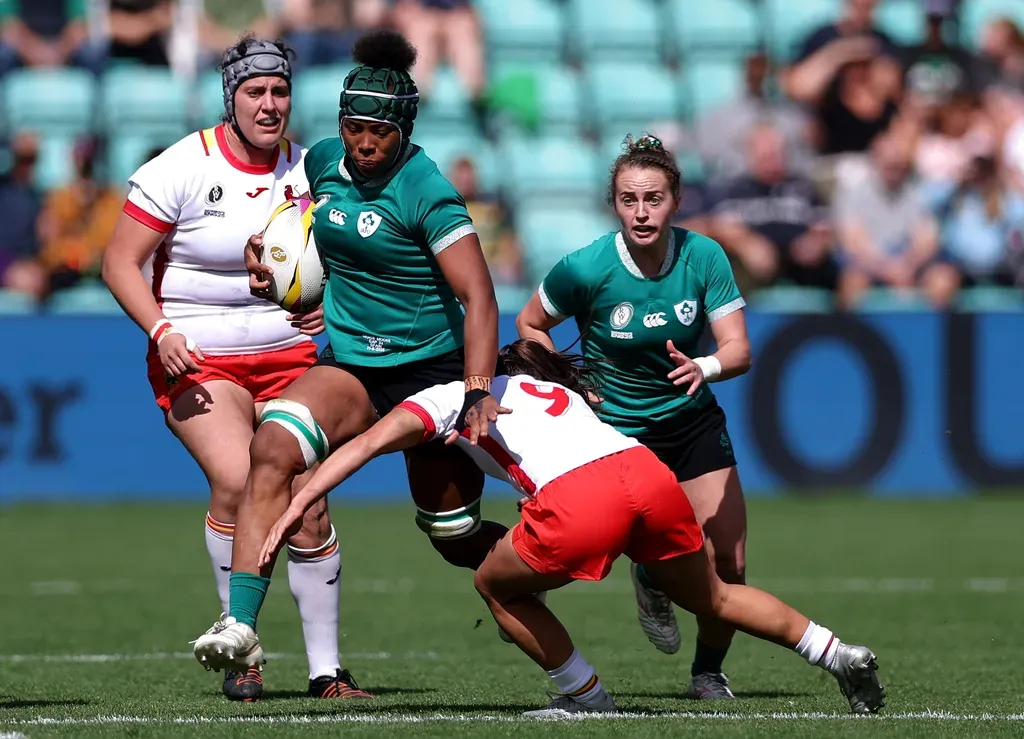
Women’s Rugby World Cup: Why This Tournament Now Demands Precision, Depth, and Ruthless Consistency