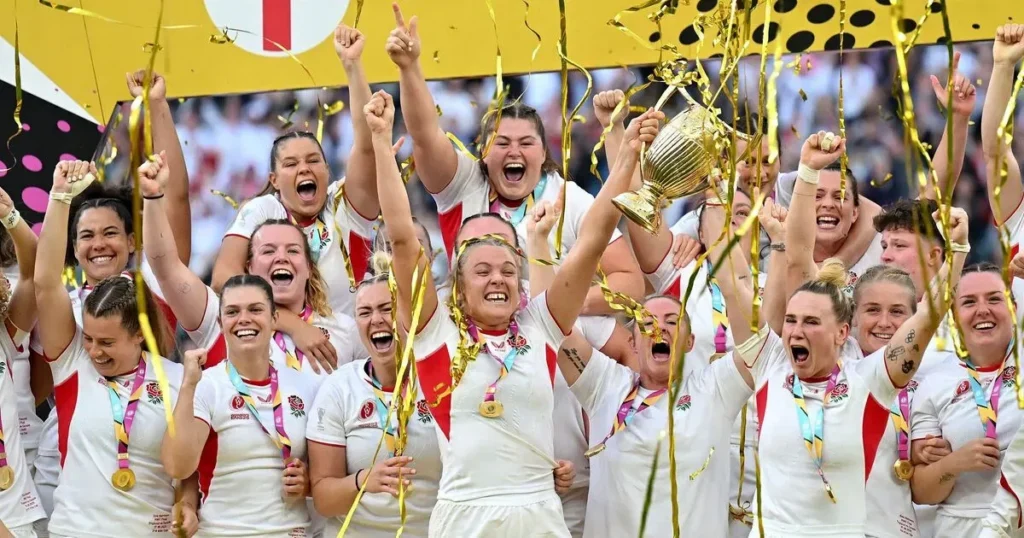


Women’s Rugby World Cup Results Explained: What the Numbers Reveal, How the Game Has Evolved, and What Comes Next
Searching for Women’s Rugby World Cup results is rarely just about scores. For most fans — especially here in Australia — it’s about understanding what those results actually mean. Who is genuinely improving? Which nations are consolidating power? And which scorelines flatter one side while hiding deeper tactical shifts?
Women’s rugby has entered a new phase. Results are no longer predictable walkovers, and the gap between traditional powers and emerging nations is shrinking faster than many expected. This article takes an analytical but human approach, unpacking Women’s Rugby World Cup results through data, tactics, and real-world context — not just ladders and headlines.
Why Women’s Rugby World Cup Results Matter More Than Ever
A decade ago, Women’s Rugby World Cup results often confirmed what fans already assumed. A small group of elite teams dominated, margins were large, and outcomes were rarely in doubt. That reality has changed — quickly.
Professional contracts, improved pathways, and increased test-match exposure have reshaped the competitive landscape. As a result, results now reflect systems, preparation, and depth rather than just raw athleticism. For Australian fans tracking the Wallaroos and global rivals, understanding these results helps separate genuine progress from short-term spikes.
A Brief Snapshot of Historical Women’s Rugby World Cup Results
Looking back at Women’s Rugby World Cup results across tournaments reveals clear patterns. Early editions were dominated by a narrow group of nations with established rugby infrastructure. Over time, those patterns softened.
What history tells us
- Winning margins have gradually decreased
- Pool-stage upsets are more frequent
- Tier-two nations now compete physically for longer periods
- Defensive systems have improved across the board
These trends matter because they change how we interpret results. A 15-point loss today often represents far stronger performance than a similar scoreline a decade ago.
How to Read Women’s Rugby World Cup Results Properly
One of the biggest mistakes fans make is treating results as standalone facts. In women’s rugby, context is everything. Squad depth, recovery time, and experience levels can heavily influence outcomes — especially in short tournaments.
Questions worth asking when reviewing results
- Was this a full-strength side or a rotated squad?
- Did the score blow out late due to fatigue?
- How did set-piece efficiency affect territory?
- Were penalties and discipline decisive?
These factors often explain why matches swing late or why scorelines don’t reflect long stretches of competitiveness.
Australia’s Perspective on Women’s Rugby World Cup Results
For Australian supporters, Women’s Rugby World Cup results are closely tied to development rather than domination. The Wallaroos have shown steady improvement, particularly in contact work, defensive organisation, and ball retention.
Results against top-tier nations are now far more competitive than in previous cycles. While wins may still be limited, the underlying indicators — tackle completion, breakdown retention, and territorial control — point to sustainable growth rather than one-off performances.
Tactical Patterns Behind Recent Tournament Results
Women’s Rugby World Cup results increasingly reflect tactical maturity. Teams are no longer relying purely on physical mismatches. Instead, structure and decision-making shape outcomes.
Common tactical drivers of results
- Set-piece efficiency, especially scrum stability
- Kick-to-corner strategies over open-field risk
- Defensive line integrity under sustained pressure
- Bench impact during final quarters
These elements often explain why matches remain tight for long periods before breaking open late.
Data Points That Add Meaning to Results
Raw scores only tell part of the story. When analysing Women’s Rugby World Cup results, certain data points consistently provide deeper insight.
| Metric | Why It Matters |
|---|---|
| Tackle completion | Shows defensive resilience over 80 minutes |
| Set-piece success | Controls territory and momentum |
| Penalties conceded | Directly influences scoreboard pressure |
How Results Influence Odds, Indexes, and Market Perception
Women’s Rugby World Cup results increasingly shape odds and predictive models. Markets react quickly to trends such as defensive improvement, bench depth, and injury reports — often faster than casual fans expect.
Importantly, sharp observers focus on how a result occurred rather than the margin itself. Narrow losses against elite sides often generate more confidence than flat-track wins against weaker opposition.
Comparing Women’s Results With the Men’s Game
While structurally similar, women’s and men’s rugby tournaments behave differently. Women’s Rugby World Cup results tend to stabilise more slowly, as squad depth and professional exposure vary widely between nations.
That’s why tracking broader context — including development pathways and international scheduling — matters as much as the scoreboard.
Where Fans Can Follow Reliable Women’s Rugby Coverage
For supporters wanting consistent updates, historical breakdowns, and verified results, dedicated coverage is essential. One useful reference point for fixtures and outcomes is womensrugby-worldcup, which aggregates tournament-level information.
Longer-form commentary and contextual analysis can also be found via the site blog, where results are discussed beyond simple win-loss narratives.
FAQ: Women’s Rugby World Cup Results
Why do some scorelines look lopsided?
Late fatigue, squad depth, and bench impact often cause margins to expand after competitive starts.
Are results becoming more competitive?
Yes. Across recent tournaments, margins have narrowed and upset frequency has increased.
Do group-stage results predict tournament winners?
Not always. Knockout performance often depends more on discipline, recovery, and experience.
Final Take: Looking Beyond the Scoreboard
Women’s Rugby World Cup results now tell richer stories than ever before. They reflect investment, planning, and tactical growth — not just physical mismatches. For Australian fans, reading these results with context unlocks a far deeper appreciation of the global women’s game.
The scoreboard is only the beginning. The real insight lives in how those numbers came to be.

Your Guide to the Women’s Rugby World Cup in AU

Women’s Rugby World Cup: Why Winning the Tournament Is Now About What Happens Between the Whistles

Women’s Rugby World Cup: Why This Tournament Now Demands Precision, Depth, and Ruthless Consistency