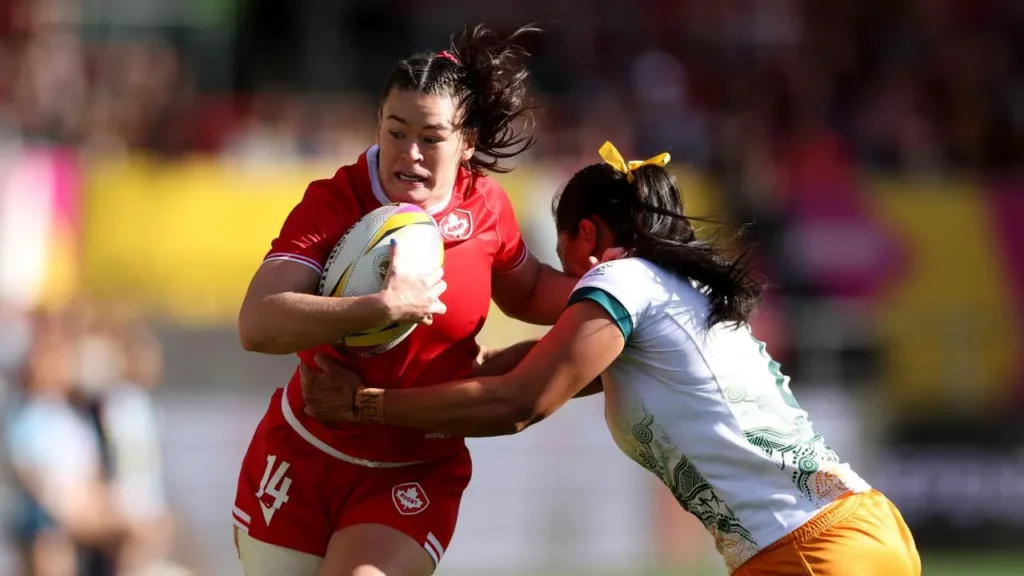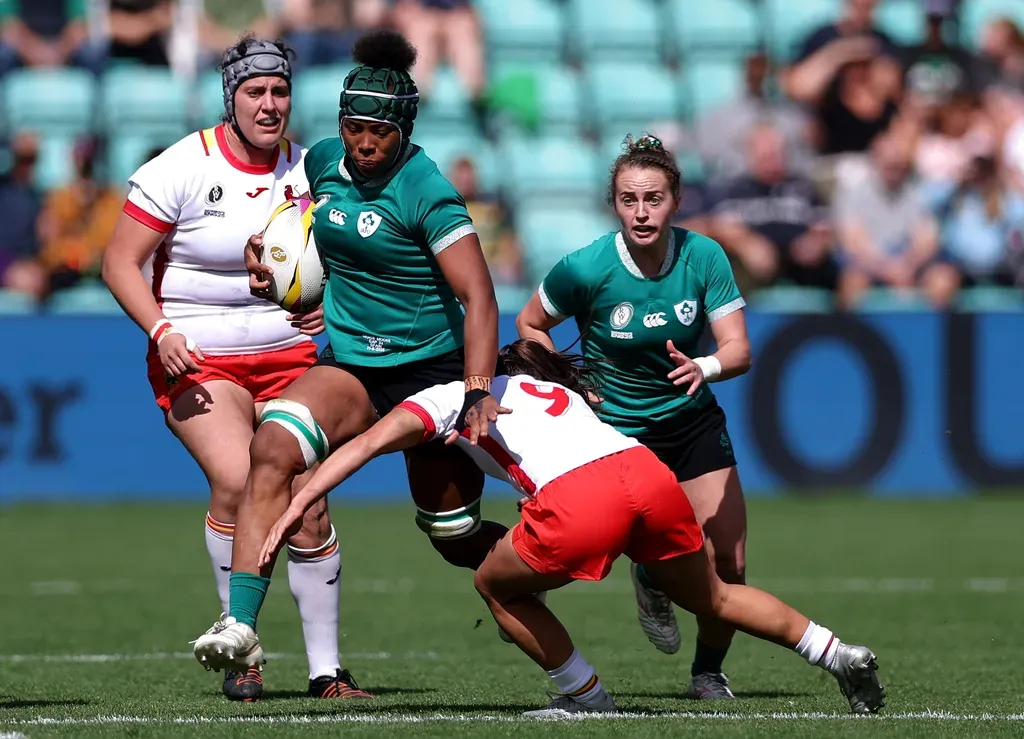

The Women’s Rugby World Cup is often discussed in terms of trophies, rankings, and results. But its most profound impact has occurred away from the scoreboard. Over the past decade, the tournament has quietly reshaped how fans watch rugby, how young players imagine their future, and how national programs think about sustainability rather than short-term success.
For Australian audiences in particular, the Women’s Rugby World Cup has evolved into something more complex than a global competition. It has become a cultural reference point — influencing participation, expectations, and even how rugby is consumed on screens large and small. This article explores the Women’s Rugby World Cup from a different angle: not as a battle for silverware, but as a force that has changed the ecosystem of the sport itself.
The Shift From Event Viewing to Habitual Watching
In its early editions, the Women’s Rugby World Cup was treated as an occasional event. Fans tuned in out of curiosity, novelty, or national pride. Matches were watched in isolation rather than as part of an ongoing narrative.
That behaviour has changed. Today, many supporters follow the tournament with the same rhythm they apply to major men’s competitions — tracking form, analysing selections, and debating tactics week to week.
What changed fan behaviour
- Improved broadcast quality and analysis
- Greater media continuity between tournaments
- Recognisable players returning across cycles
- Clearer storytelling around rivalries
The Women’s Rugby World Cup is no longer an interruption. It is part of the rugby calendar.
Why Matches Are Watched Differently Now
As the standard of play has risen, so has the way fans engage with matches. Viewers are no longer just reacting to tries and tackles. They are reading shape, discipline, and momentum.
In Australia, this has been particularly noticeable. Conversations around games increasingly focus on exits, penalties, and set-piece efficiency — not just effort or heart.
Modern viewing habits include
- Attention to territory rather than possession
- Discussion of referee interpretations
- Debate around bench timing
- Analysis of defensive spacing
The Women’s Rugby World Cup has trained its audience to watch rugby more critically.
The Tournament’s Influence on Grassroots Ambition
Perhaps the most lasting impact of the Women’s Rugby World Cup is what it has done at grassroots level. For young players, the tournament no longer feels distant or symbolic — it feels attainable.
Seeing athletes return across multiple World Cups has normalised long-term careers. Pathways feel clearer. Aspirations feel realistic rather than abstract.
How the World Cup shapes participation
- Increased junior registrations after tournaments
- Clearer role models across positions
- Greater retention of teenage players
- Stronger alignment between clubs and pathways
The Women’s Rugby World Cup now influences decisions made years before selection is even possible.
Why Storytelling Matters More Than Ever
Modern tournaments succeed not just on quality, but on narrative. The Women’s Rugby World Cup has embraced this reality.
Rivalries now carry history. Comebacks have context. Setbacks are tracked across cycles. This continuity deepens emotional investment and transforms isolated matches into chapters of a larger story.
Story elements fans now recognise
- Long-running international rivalries
- Players returning from injury across cycles
- Generational transitions within squads
- Redemption arcs after narrow losses
This storytelling has helped the Women’s Rugby World Cup retain attention between editions.
The Commercial Reality Behind the Tournament
As audiences have grown, so has the commercial reality of the Women’s Rugby World Cup. Sponsorship is no longer symbolic. Broadcast investment is no longer experimental.
This shift has consequences. Commercial expectations drive professionalism, but they also raise pressure on performance and presentation.
Commercial factors shaping the tournament
- Greater emphasis on broadcast-friendly scheduling
- Increased scrutiny of match quality
- Higher expectations around player availability
- Longer-term investment tied to results
The Women’s Rugby World Cup now sits within a professional sports economy, not outside it.
How Professionalism Changed Player Identity
Professionalism has altered not just how players train, but how they see themselves. Athletes now prepare for the Women’s Rugby World Cup as a career milestone rather than a one-off honour.
This mindset shift influences preparation, recovery, and long-term decision-making. Players plan cycles, not moments.
Modern player behaviours include
- Multi-year performance planning
- Load management across seasons
- Role specialisation within squads
- Greater focus on longevity
The tournament has become a reference point around which careers are built.
The Australian Fan Experience at the World Cup
For Australian supporters, the Women’s Rugby World Cup now sits at the intersection of pride and expectation. The Wallaroos’ progress has shifted the conversation from participation to performance.
Fans no longer ask whether Australia belongs on the stage. They ask how far the team can realistically go — and what is missing when they fall short.
What Australian fans increasingly focus on
- Consistency across tournament matches
- Execution under pressure
- Bench contribution in tight games
- Decision-making late in halves
This evolution in expectation reflects a maturing relationship with the tournament.
Why the World Cup Feels Emotionally Heavier
As the Women’s Rugby World Cup has grown, so has its emotional weight. Players and fans alike invest more because the stakes feel real.
Losses linger longer. Wins resonate deeper. The tournament now carries consequences beyond the final whistle.
Why emotions run higher
- Greater visibility and scrutiny
- Career implications tied to performance
- Longer build-up between editions
- Clearer sense of what is achievable
The Women’s Rugby World Cup no longer feels fleeting — it feels defining.
How Data and Discussion Changed Fan Understanding
Modern coverage has introduced fans to deeper layers of analysis. Metrics now shape discussion rather than simply decorate it.
Viewers increasingly understand that outcomes hinge on repeatable behaviours rather than isolated moments.
Metrics fans now recognise
- Penalty trends across matches
- Tackle completion under fatigue
- Set-piece reliability
- Second-half error rates
This analytical literacy has elevated the conversation around the Women’s Rugby World Cup.
The Social Impact Beyond the Game
The Women’s Rugby World Cup has also had a broader social effect. It has normalised women’s rugby as a central, legitimate sporting pursuit.
Visibility at scale changes perceptions — among families, schools, clubs, and sponsors.
Broader impacts include
- Increased school and community support
- Greater media representation
- Expanded coaching opportunities
- Stronger institutional backing
The tournament’s influence extends well beyond the field.
Why Each World Cup Now Feels Like a Verdict
As standards rise, each Women’s Rugby World Cup feels more definitive. Progress is measured against expectation rather than hope.
Teams are assessed not on effort, but on execution and consistency across the entire campaign.
What the tournament now judges
- Program sustainability
- Squad depth
- Decision-making under pressure
- Ability to learn between cycles
The World Cup has become an audit, not a showcase.
FAQ: Women’s Rugby World Cup
Why do fans analyse matches more deeply now?
Because professionalism and media coverage have raised understanding and expectation.
Has the tournament changed grassroots rugby?
Yes. It has made pathways visible and careers feel achievable.
Is success measured differently today?
Yes. Consistency and control matter as much as results.
Final Reflection: A Tournament That Changed Its Audience
The Women’s Rugby World Cup has not only transformed the sport — it has transformed the people who watch it. Fans now expect structure, depth, and clarity. Players prepare for cycles, not moments. Programs are judged on sustainability rather than intent.
For Australian audiences, this evolution brings clarity. It explains why the tournament feels heavier, sharper, and more demanding than ever before.
The Women’s Rugby World Cup no longer just crowns champions. It defines standards.